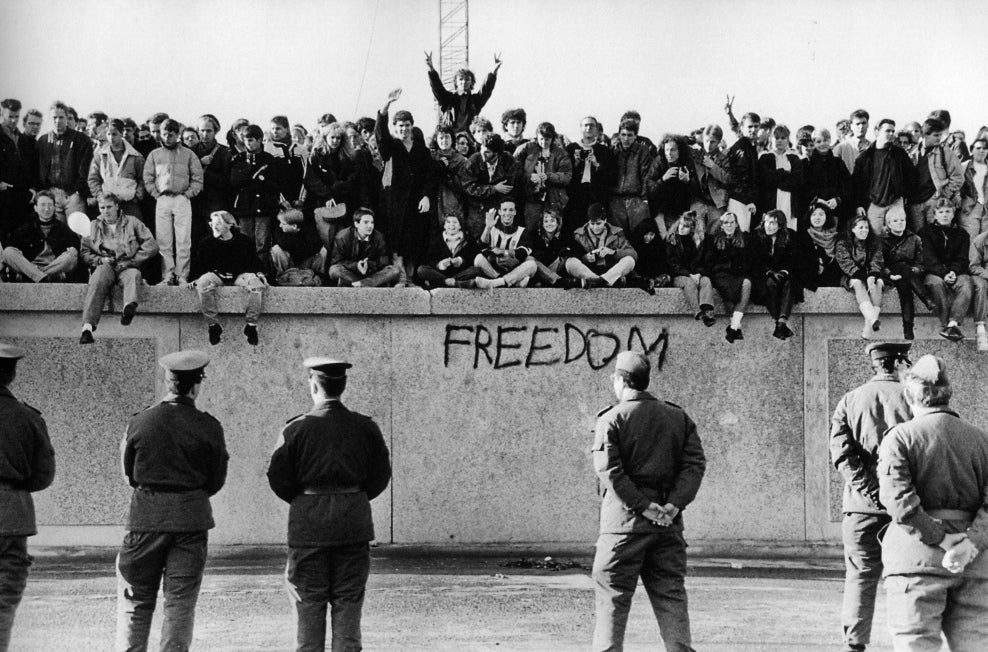
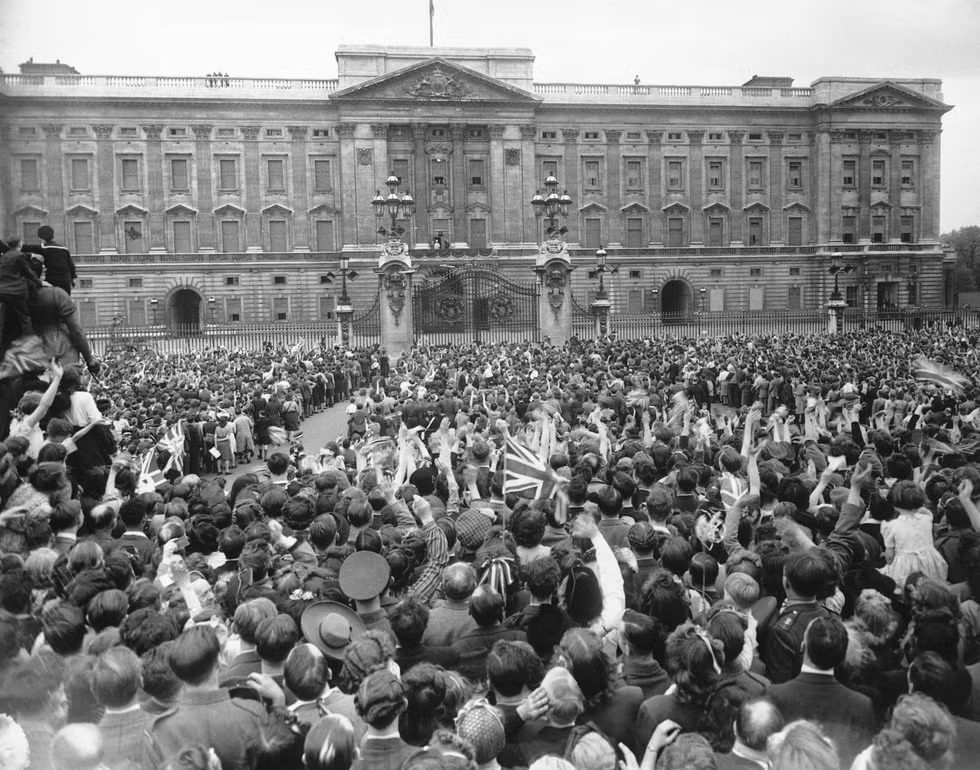
The Winner Who Lost
Britain wins the war and goes bankrupt doing it. Attlee replaces Churchill, Keynes comes home from Washington with a mortgage instead of a gift, and Ernest Bevin — a former farm boy at the Foreign Office — smells trouble from the East before almost anyone else.
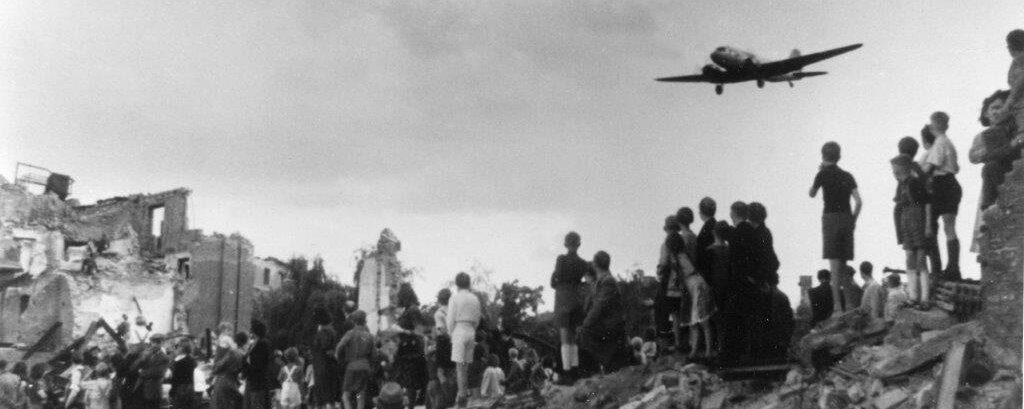
The City on the Island
Stalin cuts off two million Berliners, and Bevin's answer sounds like a joke: feed the city by air. Three hundred and eighteen days later, the Berlin Airlift has reversed the moral poles of the Cold War — and Britain has built NATO.
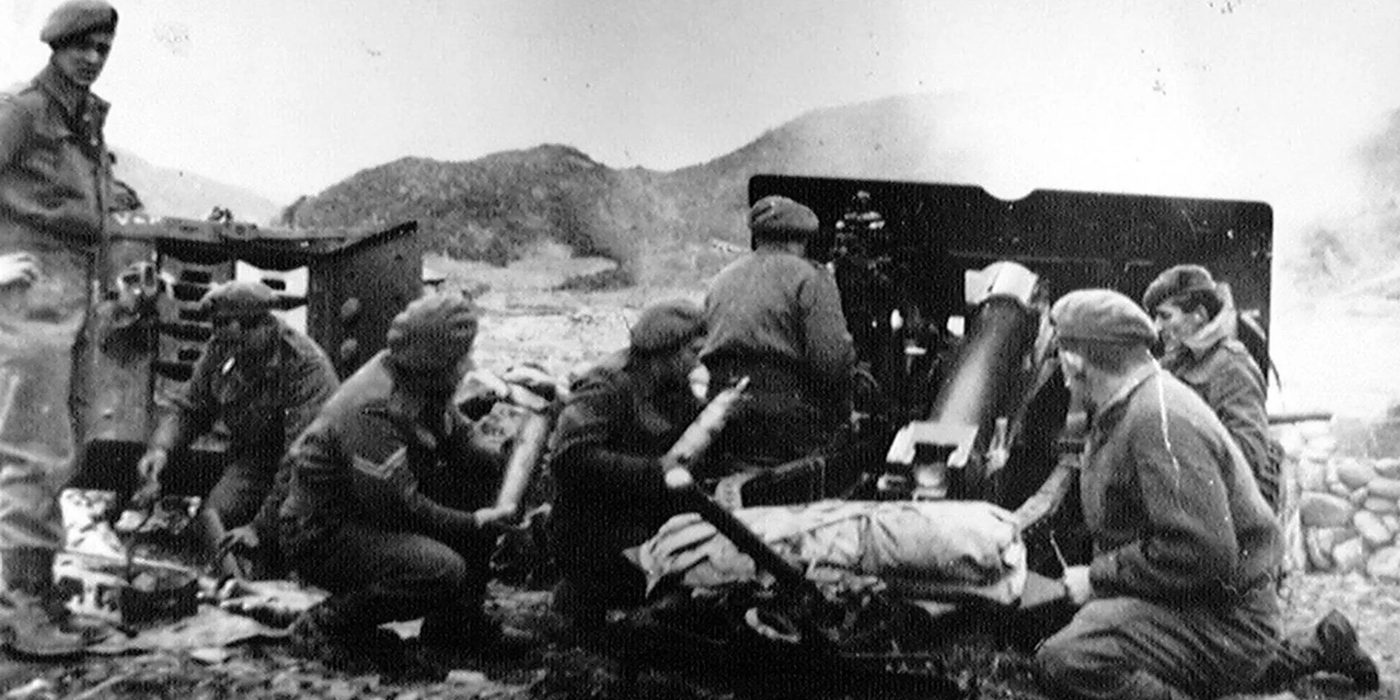
Reds, Atoms, and a War in the Far East
The Soviet bomb, Mao's victory, and then Korea. A broke, rationed Britain sends conscripts to die on the Imjin River — because if it wants America on the Elbe, it has to stand with America in Asia.
The Independent Deterrent
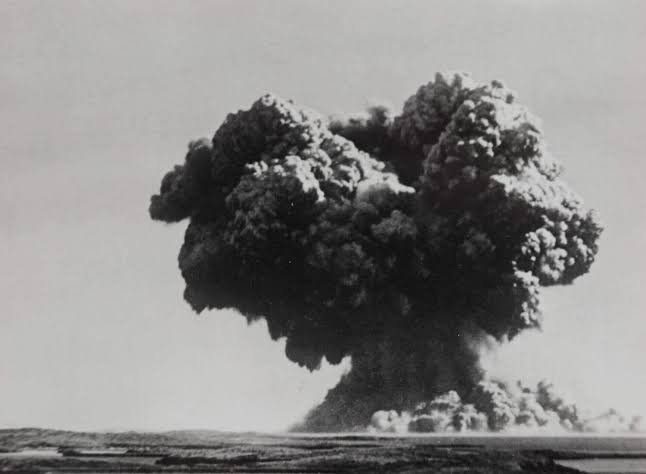
Six ministers in a secret committee decide Britain will build the bomb, and Parliament isn't told. From Windscale to the Monte Bello test — plus the reactor fire Britain hid for thirty years, and the Union Jack on top of it all.
The Wilderness of Mirrors
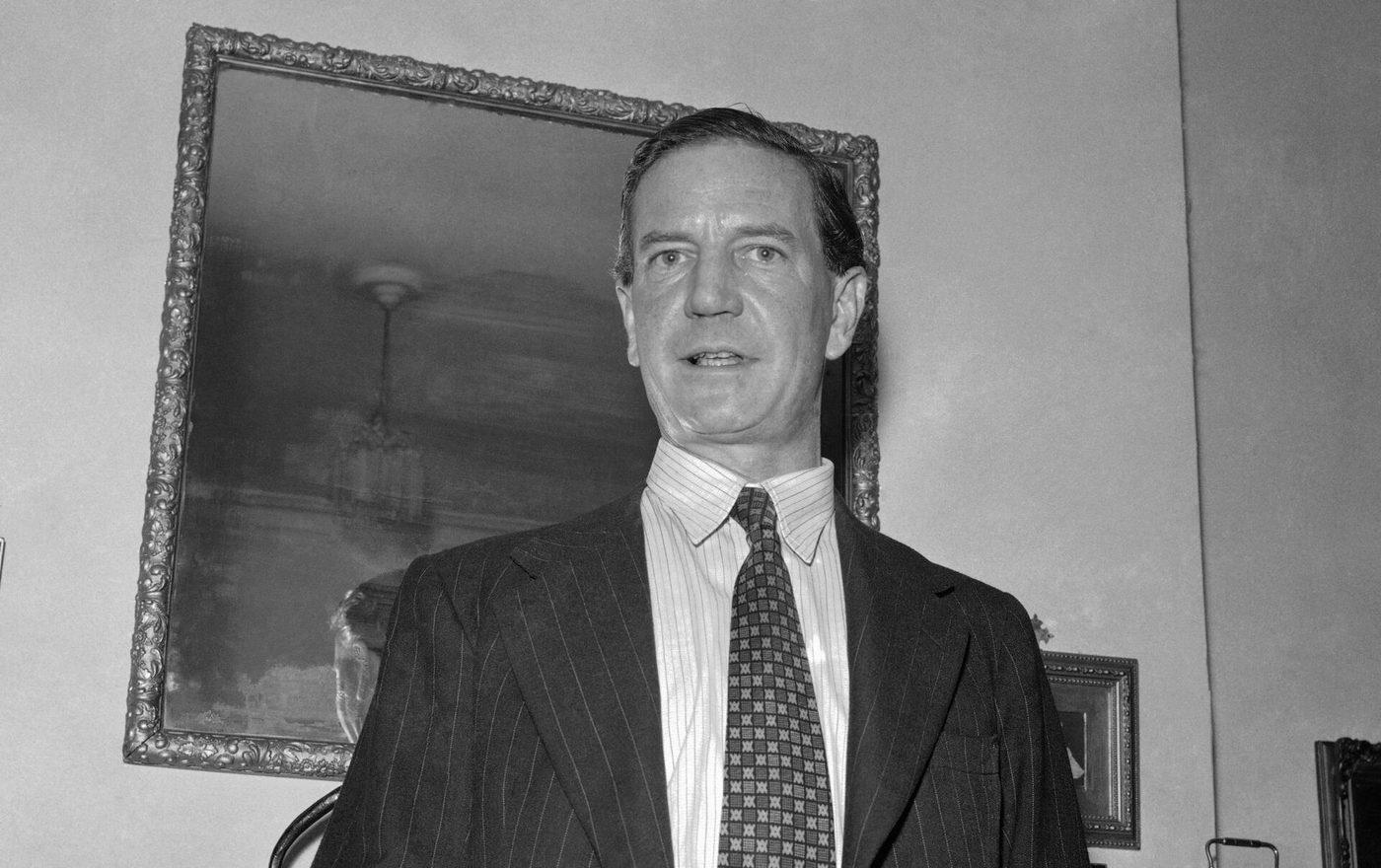
Fuchs hands Moscow the bomb; Burgess and Maclean vanish onto a cross-channel ferry; Philby spends thirty years at the heart of British intelligence working for the other side. The spy scandals that broke the establishment's trust in itself.
The Old Man and the Bomb
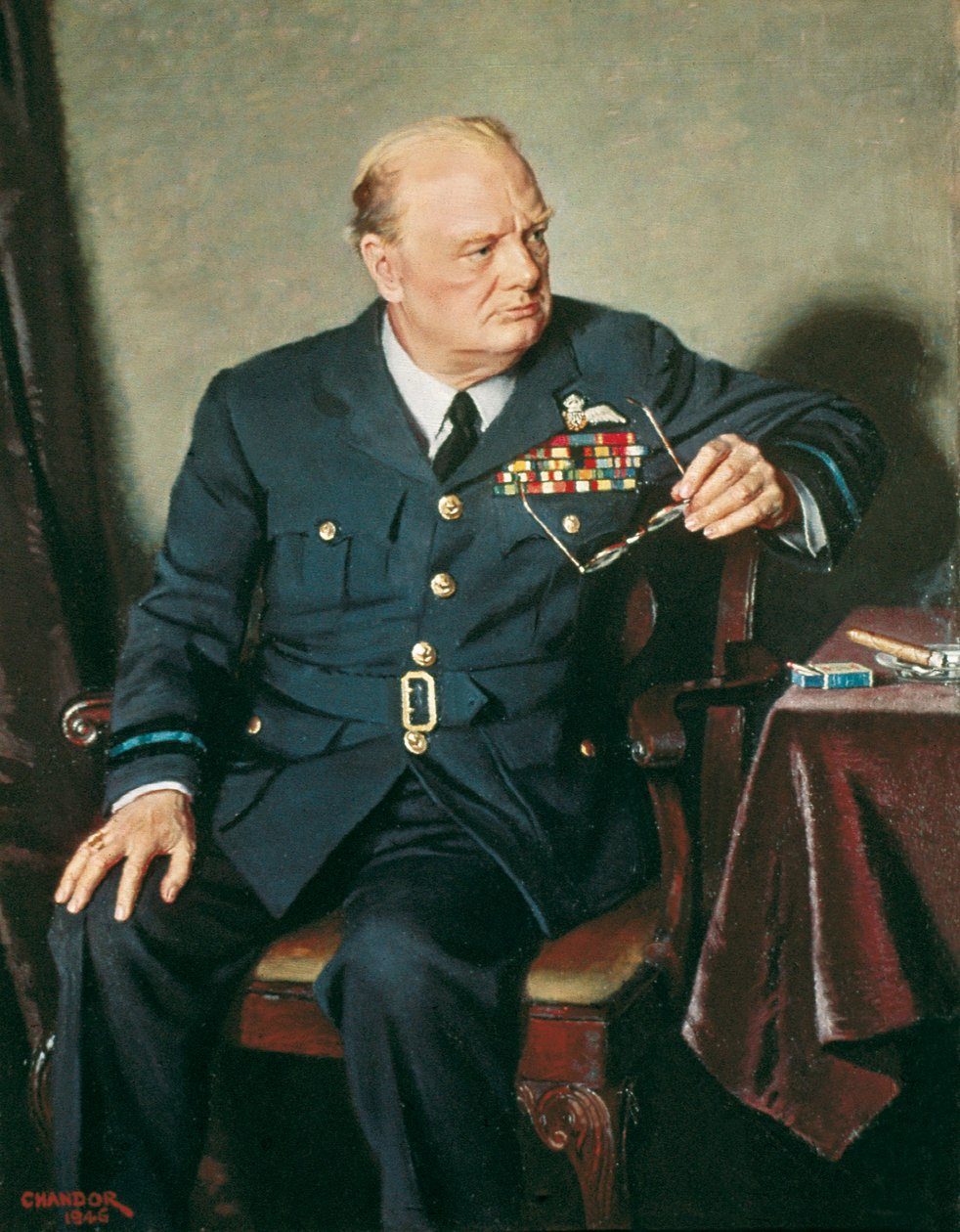
Churchill returns at seventy-six, invents the word 'summit', and chases a meeting with Moscow that Washington refuses to allow. Stalin dies, the moment passes — and Britain decides to build the hydrogen bomb.
The Year the World Stood Still
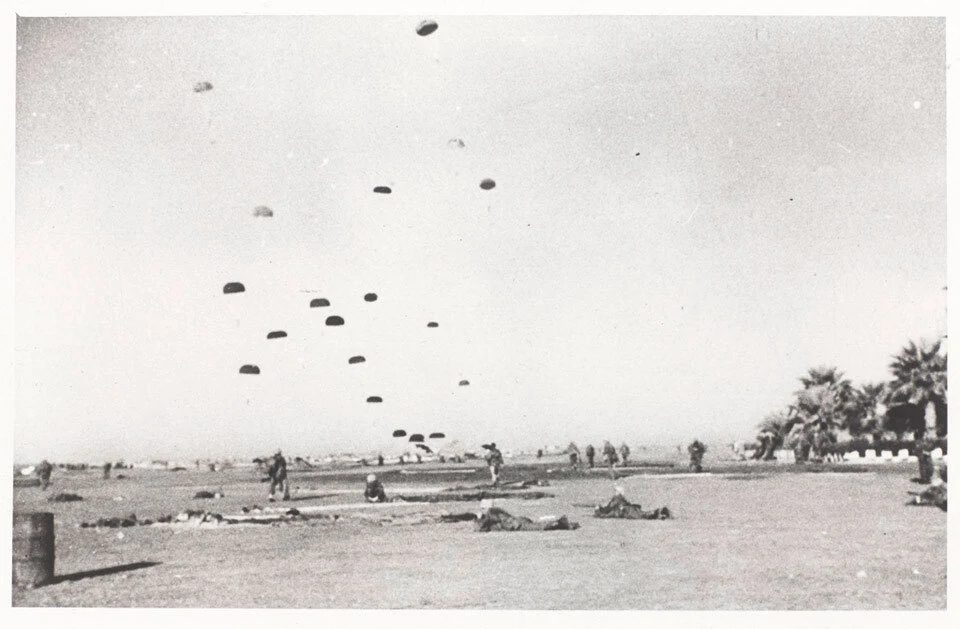
Eight weeks that told the truth about power: Eden's secret collusion over the Suez Canal collapses under an American-run sterling crisis, while Soviet tanks crush Hungary and the West watches. The end of Britain as an independent world power.
The Cold War in the Colonies
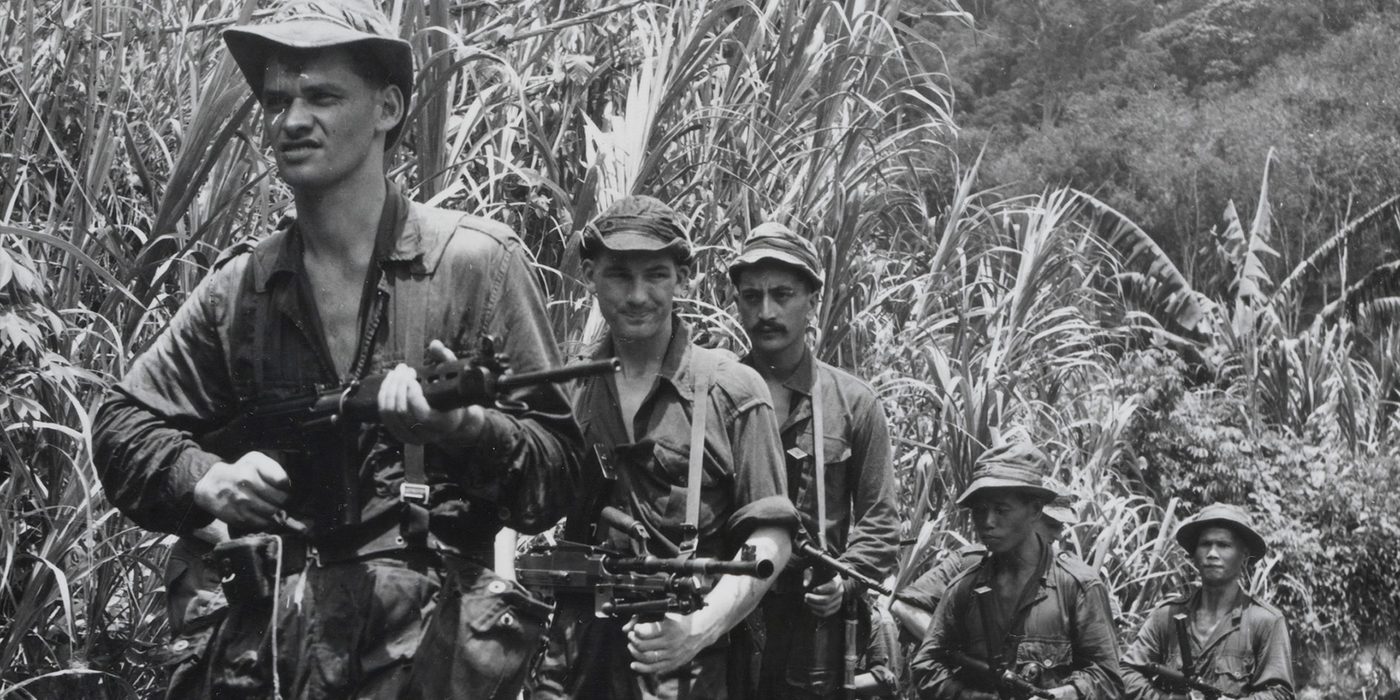
Rubber plantations, forest camps and port cities: the Cold War as fought across the dying empire — victory in Malaya, the buried atrocities of Kenya, a secret war won in Borneo, and the wind of change.
Supermac and the Skybolt Crisis
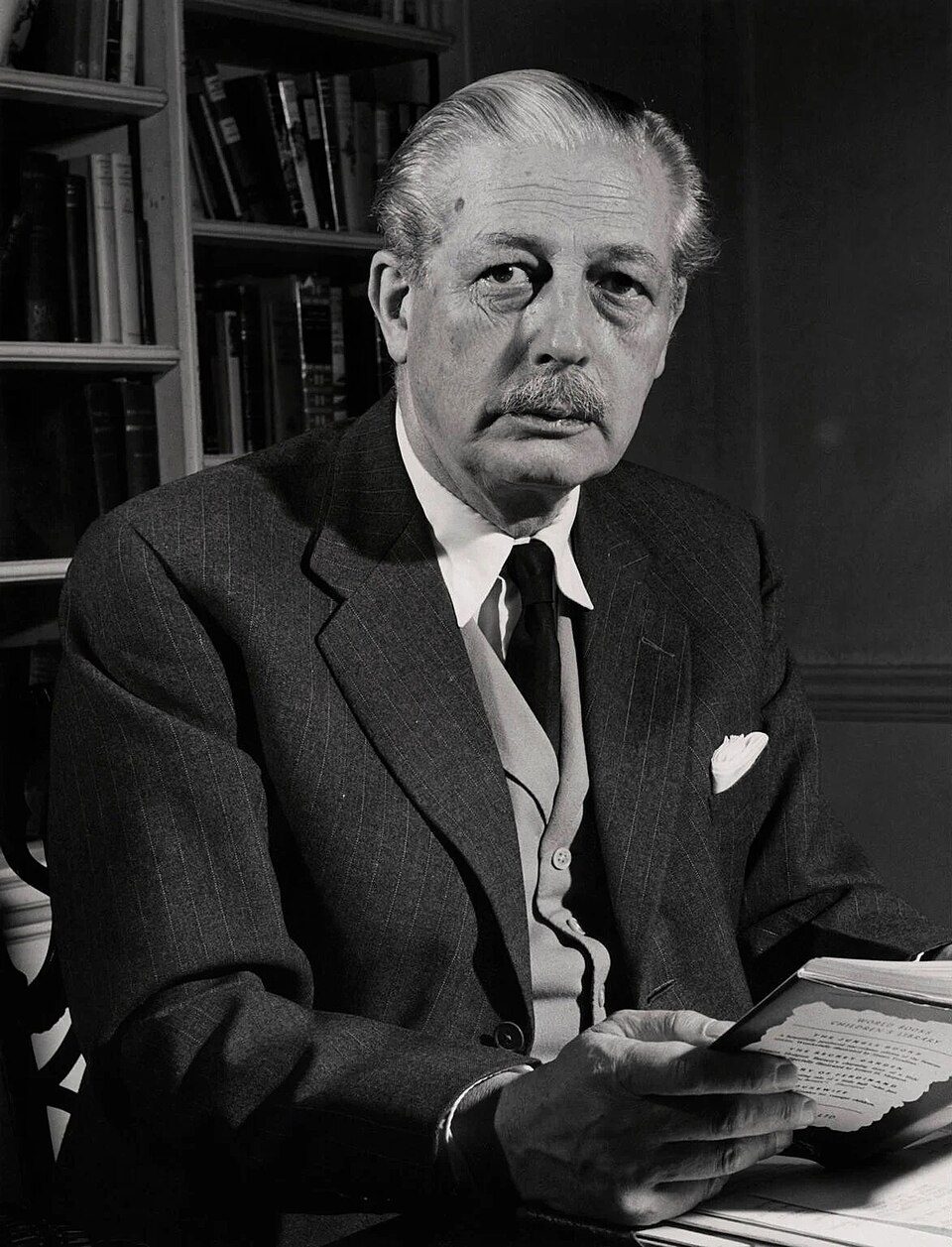
Macmillan repairs the special relationship, bets the deterrent on an American missile that gets cancelled, and walks out of Nassau with Polaris. Also: the Cuba crisis from the third chair, the first test-ban treaty, and the Profumo affair.
The Sixties: Spy Fever and Sterling
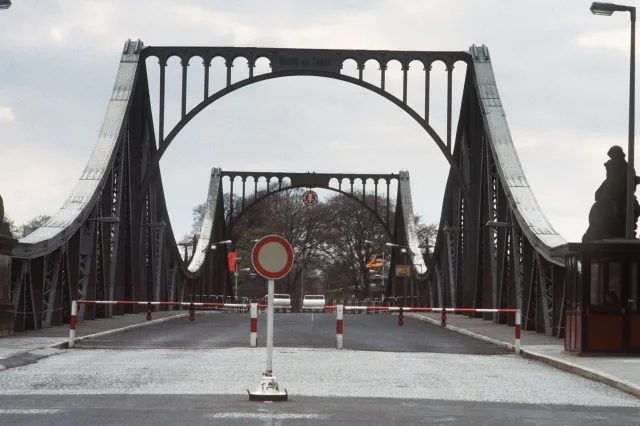
Harold Wilson's white heat meets the pound in your pocket. George Blake escapes over the wall, the KGB runs its network from a Ruislip bungalow, MI5 hunts moles in its own corridors — and le Carré writes the national psychoanalysis.
The Seventies: Détente and the Brink of the Abyss
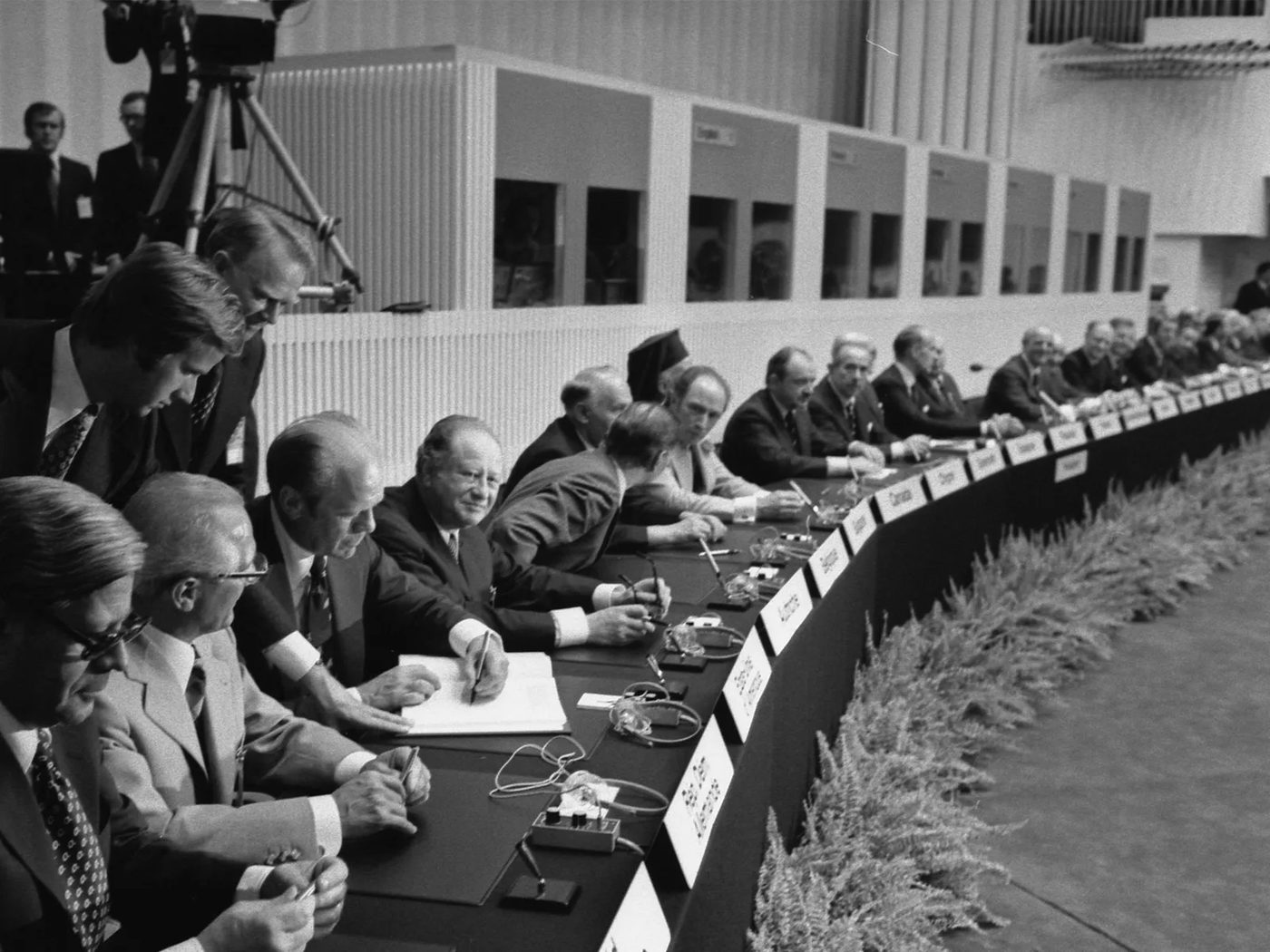
The decade of the three-day week and the IMF — but also of Helsinki, where British draftsmen built human-rights clauses the dissidents would use to split the communist bloc. Détente at the summit; a nastier cold war at home.
The Second Cold War
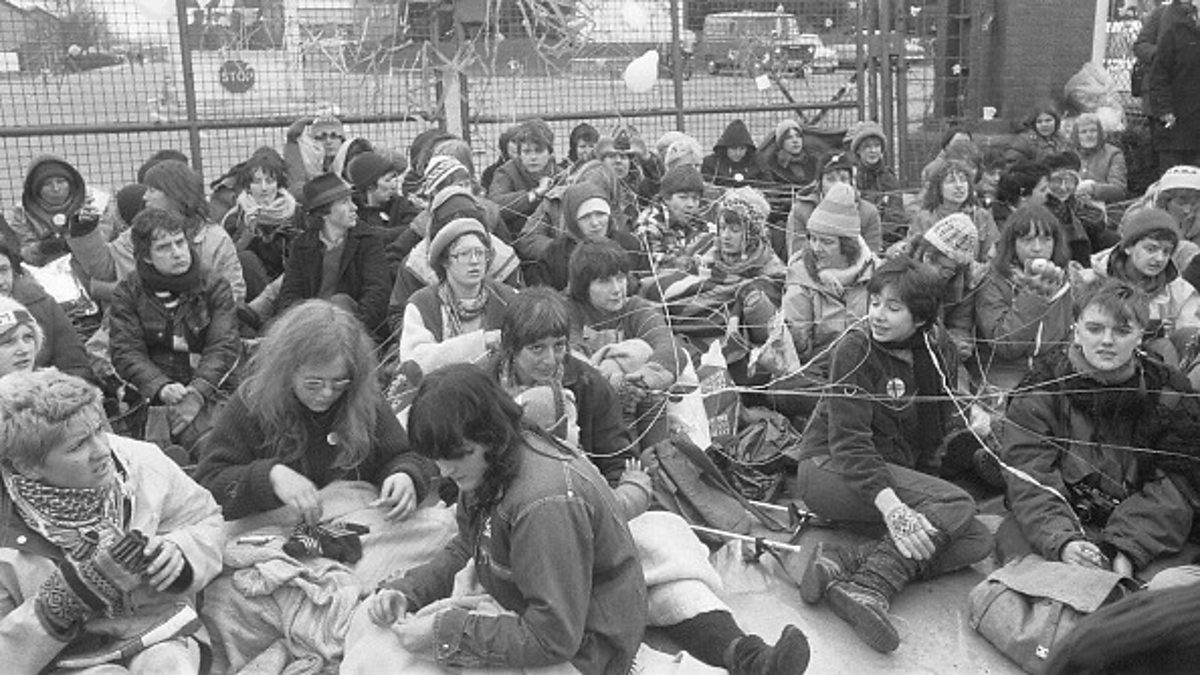
The Iron Lady arrives, cruise missiles come to Greenham Common, and thirty thousand women embrace the base. Meanwhile, in deepest secrecy, a KGB colonel named Gordievsky tells London that Moscow thinks the West is about to strike first.
The Endgame
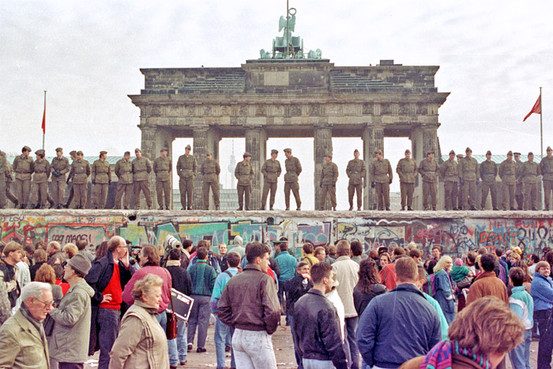
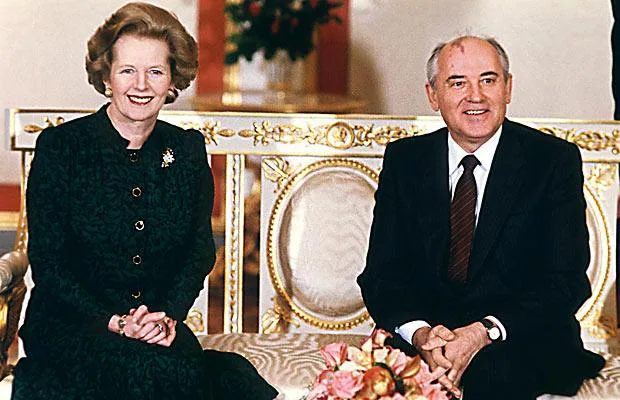
Gorbachev, Reykjavik, and the year of miracles. Britain's early bet on the man 'we can do business with', an escape in the boot of a car, the Wall falling by bureaucratic accident — and the Iron Lady's graceless farewell to the conflict she defined.
The Grey Sea and the White Heat
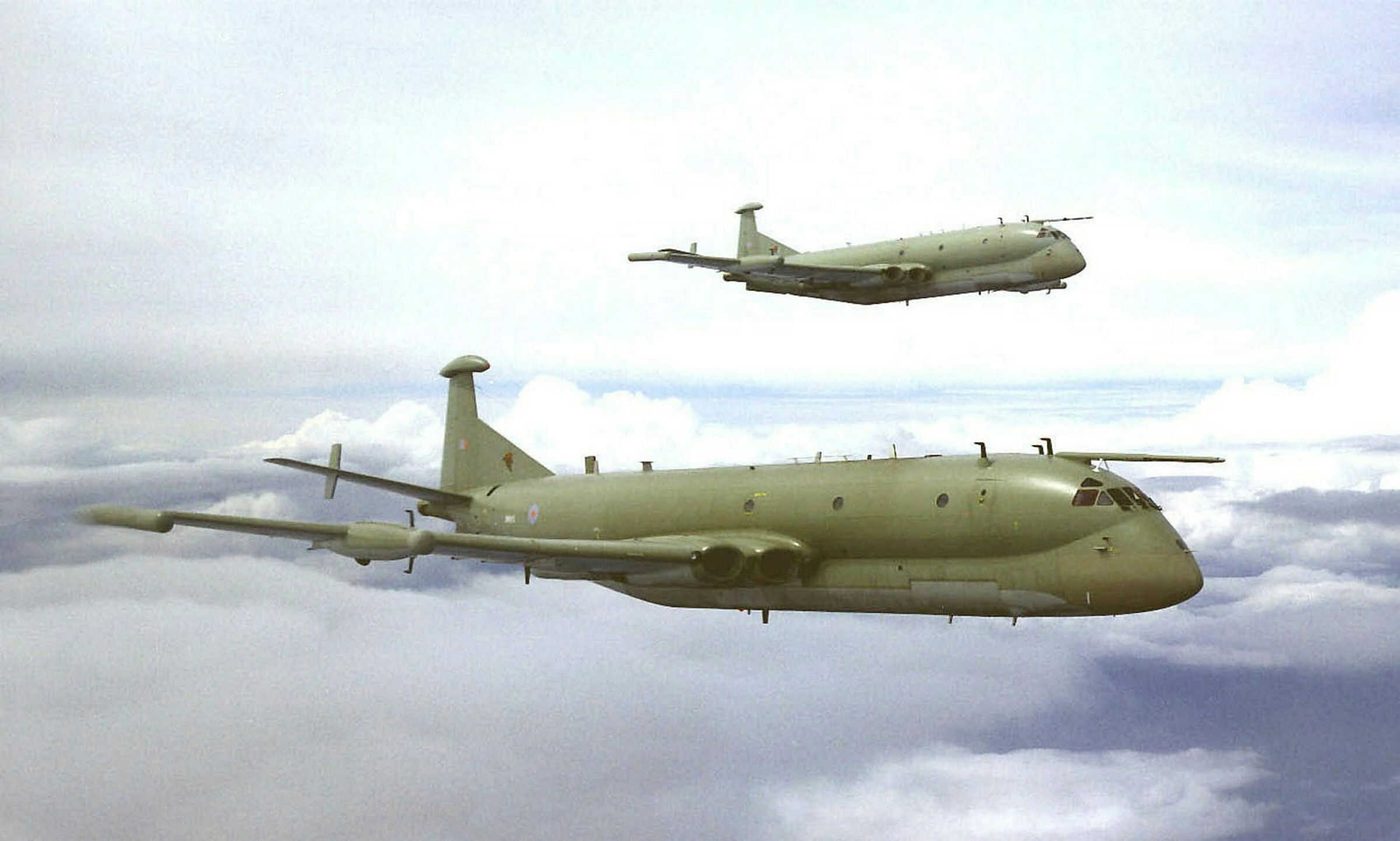
The two hidden theatres: the Royal Navy's silent war against Soviet submarines in the GIUK gap — frigates, Nimrods, and the Cod Wars against an ally — and the tragicomic story of British technological genius without scale.
The Cold War at Home
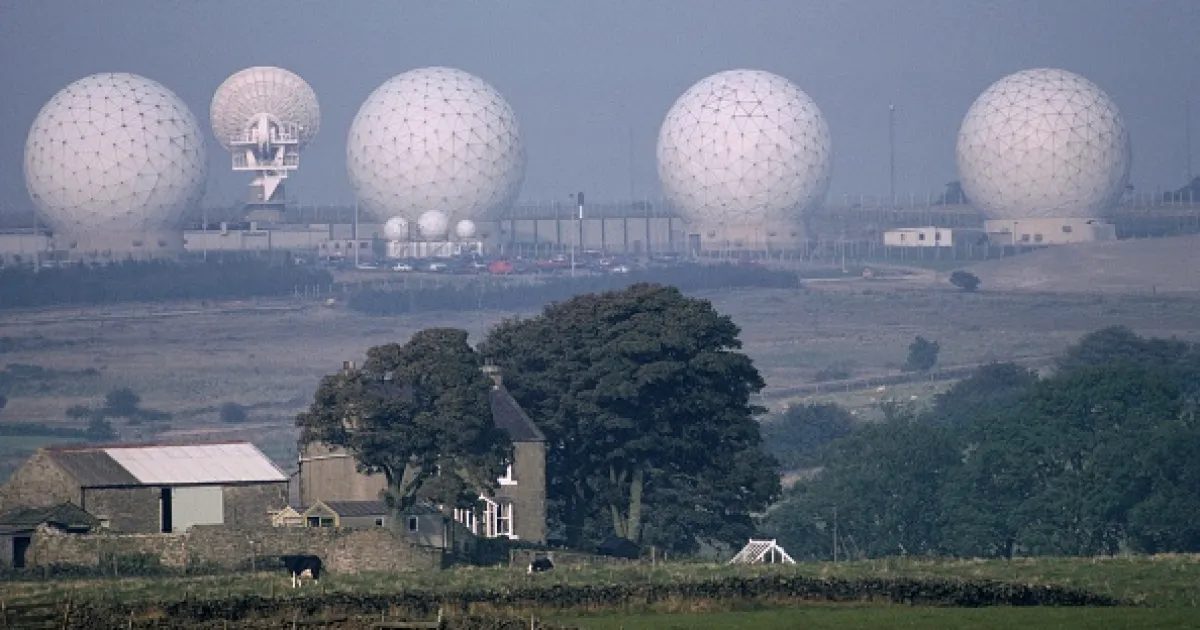
The bunkers under Wiltshire, the four-minute warning, Protect and Survive, Threads, and a generation that grew up expecting the siren. How the Cold War lived in Britain's landscape, culture and nerves.
The Third Chair
The reckoning. What Britain built, fed, broke and named across forty-five years — the alliances, the betrayals, the language of the conflict — and why a bankrupt country kept its seat at the table where the world's fate was discussed.